




Inflatable vs Hard Paddle Board:
Which One Should You Buy?
The definitive, no-fluff comparison every paddler needs before spending a single dollar — covering performance, portability, durability, cost, and real-world use.
So, Inflatable or Hard Board — What's the Difference?
Stand-up paddleboarding is one of the fastest-growing water sports in the world — and for good reason. Whether you're exploring serene lakes, riding ocean swells, or practicing yoga on water, there's a SUP board built for exactly that. But the first and most important question every beginner and even experienced paddler asks is: should I buy an inflatable SUP or a hard paddle board?
Both types of boards have their loyal fans, their genuine advantages, and their trade-offs. The right answer isn't the same for everyone — it depends on where you live, how you plan to paddle, how much storage space you have, your budget, and your performance goals.
At Coolcaa Sports, we've outfitted thousands of paddlers around the world — from first-timers on calm lakes to adventurous explorers navigating coastal caves. In this comprehensive guide, we break down every important factor so you can make a confident, informed decision.
```Coolcaa inflatable SUPs perform beautifully on calm, flat water — making them ideal for lakes, bays, and rivers.
Inflatable SUP
Rolls up into a backpack. Perfect for travelers, beginners, and adventurers. Surprisingly rigid when properly inflated.
Hard SUP
Traditional epoxy or fiberglass construction. Better glide, lighter feel, and preferred by racers and surfers.
The Verdict
For 90% of paddlers, an inflatable is the smarter, more practical choice — especially when quality is premium-grade.
Everything You Need to Know About Inflatable Paddle Boards
Inflatable paddle boards — commonly called iSUPs — have completely transformed the paddleboarding world over the past decade. What started as a novelty for casual use has evolved into a serious, high-performance category that serious paddlers now choose over traditional hard boards.
```How Inflatable SUPs Work
Modern inflatable paddle boards use a construction method called drop-stitch technology. Thousands of polyester threads connect the top and bottom layers of military-grade PVC, allowing the board to be inflated to high pressure (12–20 PSI) without ballooning. The result is a board that is rigid, firm underfoot, and genuinely capable of handling real paddling conditions.
Coolcaa's inflatable SUPs, for example, use dual-layer military-grade PVC with drop-stitch cores — delivering a rigid feel that surprises most first-time paddlers who expected something that "feels like a pool float."
The Real Advantages of Inflatable SUPs
Here's why the majority of recreational paddlers — and a growing number of enthusiasts — choose inflatable boards:
✅ Advantages of Inflatable SUPs
- Packs into a backpack — fits in a car trunk, overhead bin, or closet
- Much more durable against bumps, rocks, and drops than fiberglass
- Softer landing on falls — safer for beginners and kids
- No roof rack or truck needed — travel freely anywhere
- More affordable at comparable quality tiers
- Can be taken on planes, trains, and road trips with ease
- Ideal for yoga, fishing, and leisure paddling
- Pets can join without risk of claw damage
- Takes up almost no storage space at home
- Great stability for multi-person use
❌ Disadvantages of Inflatable SUPs
- Requires 5–10 minutes to inflate before use
- Slightly more flex than rigid boards at low PSI
- Not ideal for high-performance racing or surfing big waves
- Needs to be dried before rolling up to prevent mold
- Risk of puncture (rare with quality boards, easily repaired)

Inflatable boards excel in rugged, adventurous conditions — their durability makes them ideal for exploring rocky coastlines and caves.
The best paddle board is the one you actually use. Inflatable SUPs remove every barrier — storage, transport, cost — so you get on the water more often.
— Coolcaa Sports PhilosophyWho Are Inflatable SUPs Best For?
Inflatable paddle boards are genuinely the best choice for:
Beginners and casual paddlers who want to enjoy calm lakes, bays, and rivers without a major investment or complicated logistics. Travelers and adventurers who want to take their board on camping trips, international travel, and road trips. Families who need a board that's safe for kids, can handle a curious dog, and doesn't break the bank. Yoga practitioners who need a wide, stable platform with a cushioned surface. City dwellers with apartments, small cars, or no dedicated storage space.
```Everything You Need to Know About Hard Paddle Boards
Hard paddle boards — also called rigid or epoxy SUPs — are the original form of stand-up paddleboarding. Built from materials like epoxy resin, fiberglass, EPS foam, or carbon fiber, they represent the high-performance end of the spectrum and have a loyal following among competitive paddlers and wave riders.
```
Construction and Materials
Most hard boards have an EPS foam core wrapped in layers of fiberglass and sealed with epoxy resin. Higher-end boards use carbon fiber layers for a stiffer, lighter feel. Hollow-core construction is used in some racing models to cut down weight even further.
The result is a board that has virtually zero flex, a very smooth glide through the water, and the kind of responsive feel that experienced surfers and racers prefer. However, that rigidity comes at a cost — literally and practically.
✅ Advantages of Hard Paddle Boards
- Superior glide and speed — less water resistance
- More responsive in waves — preferred by surfers
- Lighter feel underfoot for experienced paddlers
- No inflation required — ready to go instantly
- Better performance in racing and competitive SUP
- More shape variety for specialized disciplines
❌ Disadvantages of Hard Paddle Boards
- Requires a roof rack, truck, or large vehicle to transport
- Needs dedicated storage space — garage, shed, or rack
- Dings, cracks, and delamination from impacts
- Significantly more expensive for quality models
- Harder and more painful to fall on
- Not practical for travel or public transport
- No pets — claws scratch and damage the surface
- Harder to repair if damaged
Who Are Hard SUPs Best For?
Hard boards are genuinely the better choice for a specific group of paddlers: competitive racers who need every bit of glide and speed advantage. Experienced surfers who want the responsiveness of a traditional surf-shaped SUP in ocean waves. Paddlers with dedicated storage at a beach house, club, or home with a large garage. Anyone for whom performance optimization is the primary goal and transport logistics are not a concern.
If you don't fall into one of those categories, an inflatable board will very likely serve you better.
```Storage, Transport & the Freedom to Go Anywhere
This is where inflatable SUPs win — and it's not even close. Transport and storage are among the most practical daily concerns for paddle board owners, and this single factor is why inflatable boards dominate the market.
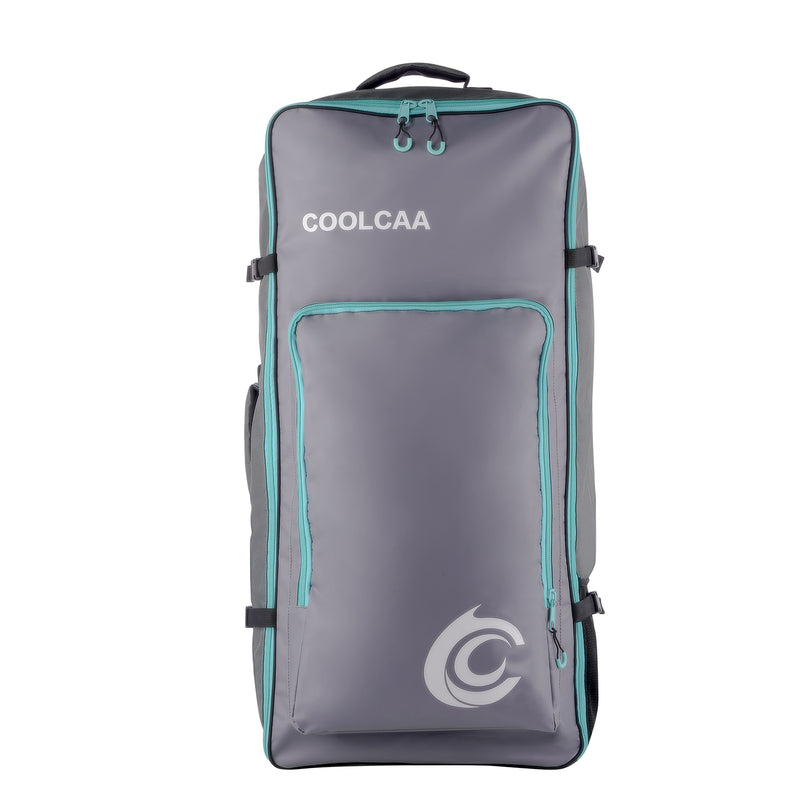
```Coolcaa's wheeled carry bags make transporting your inflatable SUP as easy as rolling a suitcase — literally anywhere.
The Inflatable Advantage: Take Your Board Everywhere
When deflated and rolled up, a Coolcaa inflatable SUP fits inside a dedicated carry bag that you can throw in your car trunk, check as luggage on a flight, or store in a closet at home. You don't need a roof rack. You don't need a truck. You don't need a garage or a storage unit.
A hard board, by contrast, requires a roof rack (which costs 00–00 extra), can be damaged by improper tie-downs on long drives, and needs a large, dry storage area year-round. During winter or off-season months, many hard board owners don't paddle at all because logistics become a headache.
With an inflatable SUP, you paddle more — and that is the entire point.
```How Do They Actually Perform on the Water?
This is where the conversation gets nuanced — and where many buying guides oversimplify. The honest truth is that for most paddling scenarios, a high-quality inflatable board performs excellently. The performance gap between inflatable and hard boards has narrowed dramatically over the past five years.
```Stability: Inflatable SUPs Lead
Inflatable SUPs, especially wide models like those in Coolcaa's lineup (32"–36" wide), are actually more stable than most hard boards at equivalent lengths. The wider deck, slight cushioning from the inflated PVC, and lower center of gravity create a forgiving platform that makes balance easier for beginners and enjoyable for casual paddlers.
Coolcaa's extra-wide boards like the Mermaid series (34" wide) are specifically designed to be ultra-stable — ideal for yoga on water, paddling with kids, and touring on choppy conditions.
Waves & Surfing
For surfing ocean waves, hard boards are better. The responsive, tail-heavy shapes and full rigidity let experienced surfers carve, cut back, and respond to wave faces quickly. Inflatable boards can handle small surf, but they lack the sensitivity and maneuverability that dedicated surf SUPs offer in anything above 2–3 foot waves.
For everything else — flatwater touring, fishing, yoga, lakes, rivers, bay paddling — inflatable boards are completely capable and deeply enjoyable.
```Which Board is Tougher? (The Answer Might Surprise You)
People assume hard boards are more durable. In practice, the opposite is often true — at least for everyday use.
```💪 Inflatable Board Durability
- Military-grade PVC resists rocks, gravel, and rough surfaces
- Can be dropped on concrete without damage
- UV-resistant materials protect against sun exposure
- Punctures are rare — and a simple repair kit fixes them in minutes
- Not affected by temperature fluctuations during transport
- Won't crack, ding, or delaminate like epoxy boards
⚠️ Hard Board Durability Concerns
- One drop on rocks or concrete can crack the hull
- Dings from normal use require professional repair
- Heat buildup in cars can cause delamination
- Roof rack tie-downs can warp the shape if over-tightened
- Fiberglass splinters are hazardous during repair
- Sun exposure degrades epoxy resin over time
Coolcaa's inflatable SUPs are built with dual-layer military-grade PVC and reinforced seams, making them extremely resilient. Many Coolcaa customers report years of heavy use — including saltwater paddling, beach launches, and camping trips — without any structural issues.
Safety: Inflatable Boards Win
When you fall — and everyone falls — falling onto an inflatable board is significantly less painful and dangerous than hitting a hard fiberglass or epoxy hull. This matters especially for beginners, children, and anyone paddling in shallow water where the board can hit the bottom.
Inflatable boards also act as a safety flotation device in the water. Their buoyancy is consistent and reliable. Hard boards can crack and take on water in severe impacts.
```What's the Real Cost of Each Board Type?
Price is often the deciding factor — but it's important to look at total cost of ownership, not just the sticker price.
```| Cost Factor | Inflatable SUP | Hard SUP |
|---|---|---|
| Entry-level price | 00 – 00 | 00 – 00 |
| Premium price | 00 – ,200 | ,200 – ,000+ |
| Roof rack needed? | No — saves 50–00 | Yes — 50–00 extra |
| Storage costs | None — closet or car trunk | May need storage unit or rack |
| Repair costs | Patch kit included (~) | Professional repair: 0–00 |
| Accessories included | Pump, paddle, leash, bag | Usually board only |
| Travel costs | Can fly with board | Rental or shipping required |
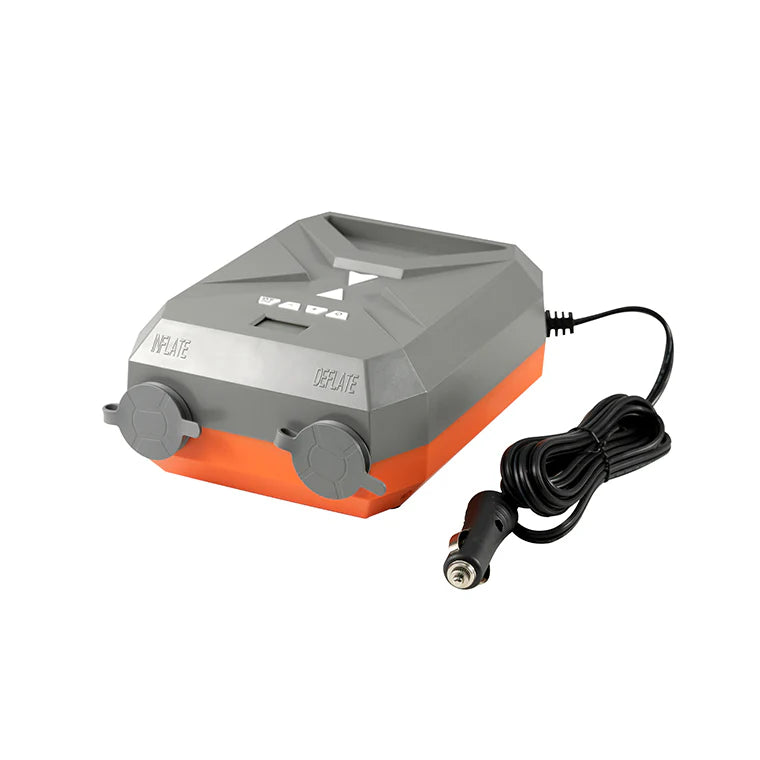
When you factor in the total package, inflatable boards — especially from brands like Coolcaa that include a pump, paddle, fins, leash, and a wheeled carry bag — deliver significantly better value than hard boards at comparable performance levels.
Which Board Should YOU Buy?
Let's cut straight to it. Based on everything we've covered, here's exactly who should buy what:
```Buy an Inflatable SUP if...
- You live in an apartment or have limited storage
- You travel frequently or want to paddle on trips
- You are a beginner or recreational paddler
- You want to do yoga, fishing, or leisure paddling
- You want to bring kids or pets on the board
- You paddle on lakes, rivers, bays, or calm coastal water
- You want the best value for your money
- You want a board you can take anywhere, anytime
- You're buying your first board ever
Buy a Hard Board if...
- You compete in SUP racing events
- You primarily surf ocean waves on a SUP
- You have a truck, garage, and roof rack already
- You paddle the same local spot every time
- Performance and speed is your top priority
- You have an unlimited budget
Complete Inflatable vs Hard Board Comparison
Here's the full breakdown of every important factor in a single table for easy reference:
```| Category | Inflatable SUP | Hard SUP | Winner |
|---|---|---|---|
| Portability | Rolls into a backpack | 10–12 ft rigid board | Inflatable ✓ |
| Storage | Closet, car trunk, under bed | Garage, storage unit, wall rack | Inflatable ✓ |
| Transport | Any car, plane, train | Needs roof rack or truck | Inflatable ✓ |
| Setup time | 5–10 min to inflate | Instant — grab and go | Hard ✓ |
| Stability | Very high (wide decks) | Varies by shape | Inflatable ✓ |
| Speed / Glide | Good for recreational use | Superior for racing | Hard ✓ |
| Wave surfing | Suitable for small waves | Excellent in big surf | Hard ✓ |
| Impact resistance | Excellent — military PVC | Prone to dings and cracks | Inflatable ✓ |
| Safety (falls) | Softer — safer landing | Hard, sharp edges | Inflatable ✓ |
| Pet-friendly | Yes — claw-resistant | No — scratches and gouges | Inflatable ✓ |
| Value (incl. accessories) | Excellent — full kit included | Board only, accessories extra | Inflatable ✓ |
| Price range | 00 – ,200 | 00 – ,000+ | Inflatable ✓ |
| Repair ease | DIY patch kit, 15 minutes | Professional repair needed | Inflatable ✓ |
| Best for beginners | Ideal | Not recommended | Inflatable ✓ |
| Best for racing | Not ideal | Yes | Hard ✓ |
| SUP yoga | Excellent stability | Less forgiving | Inflatable ✓ |
| Travel compatibility | Fly anywhere with it | Rental or shipping required | Inflatable ✓ |
Score: Inflatable SUPs win 13 of 17 categories. For the vast majority of paddlers, the inflatable board is the smarter, more practical, and better-value choice.
Tips for Choosing the Right Inflatable SUP
If you've decided on an inflatable — great choice. Here's what to look for when shopping:
```Check the PSI Rating
A board that inflates to 15+ PSI will feel much more rigid and responsive than one rated to 10 PSI. Coolcaa boards are rated to 15–20 PSI for maximum firmness.
Width for Stability
For beginners and yoga, choose 32"–36" wide boards. For touring and fitness, 30"–32" is ideal. Narrower boards are faster but less stable.
Dual-Layer PVC Only
Single-layer boards are cheaper but flex more and wear out faster. Only buy dual-layer or fusion construction for serious use.
Complete Kit Included?
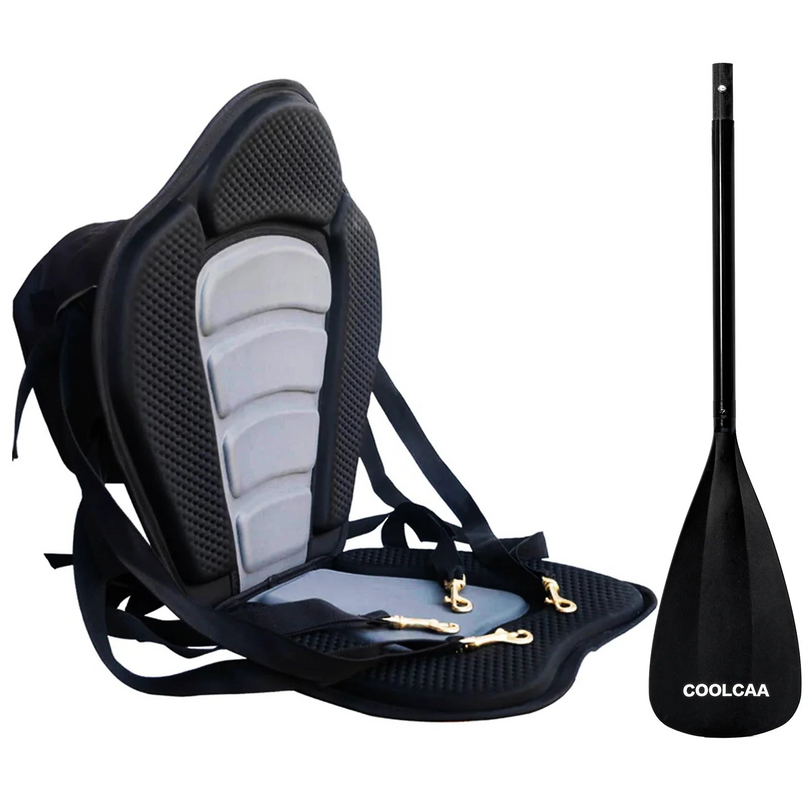
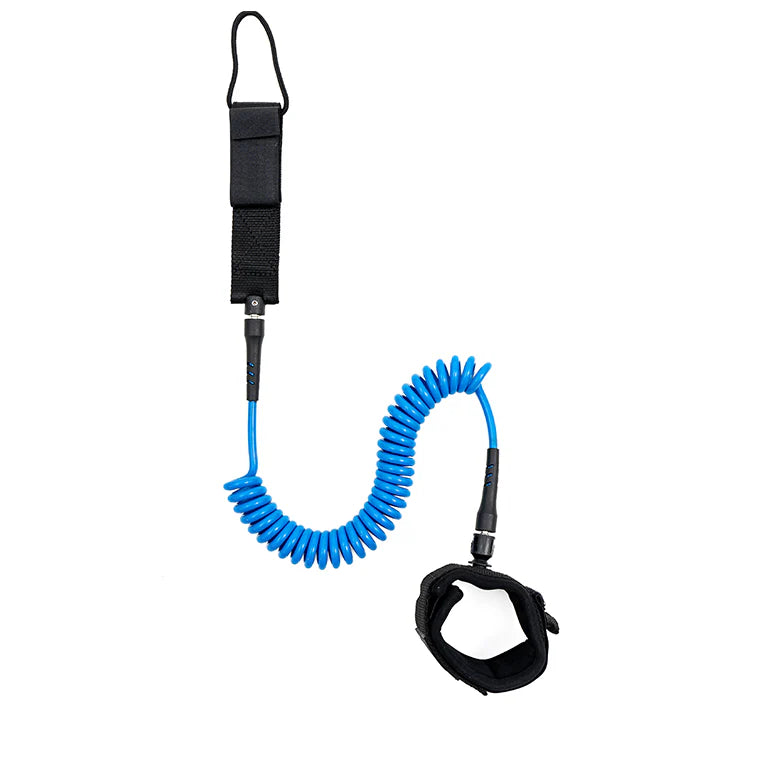
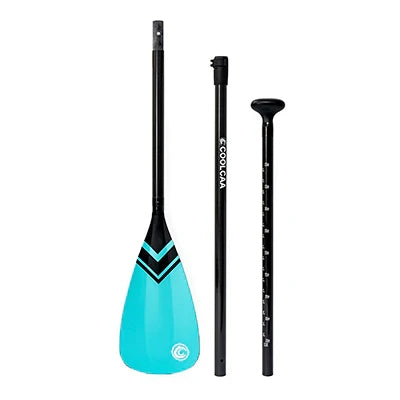
The best value boards include a pump, adjustable paddle, removable fins, leash, and a wheeled carry bag. Coolcaa includes all of these.
Weight Capacity
Check the weight limit, especially if you're a heavier paddler or plan to bring a passenger, gear, or a dog. Coolcaa boards support up to 350 lbs on select models.
Fin Configuration
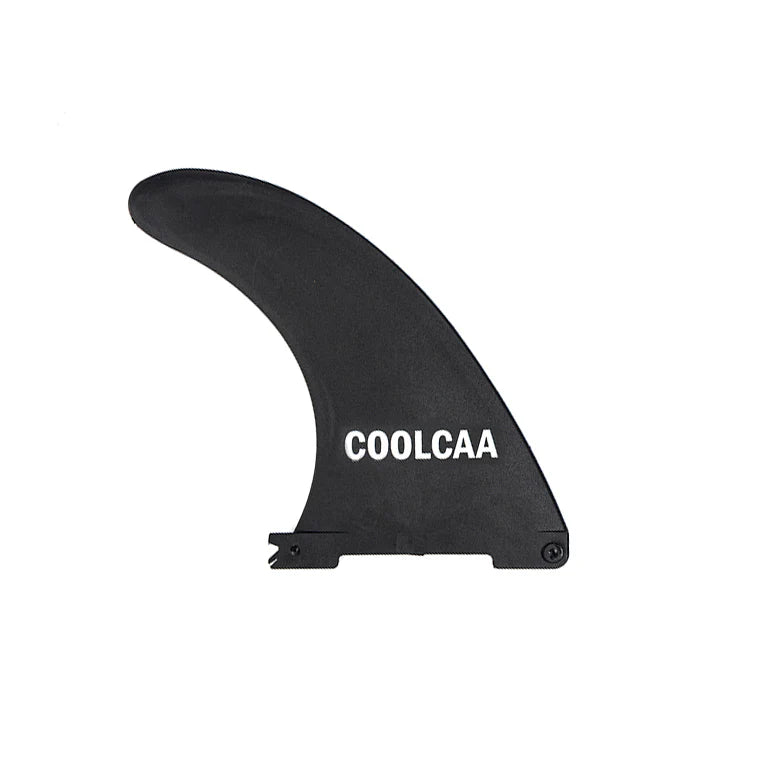
Three fins (thruster setup) give better tracking and stability. Single fin boards are more maneuverable. Many Coolcaa boards offer configurable fins.
Whether you're paddling alone or with friends, Coolcaa's inflatable SUP lineup has a board for every adventure.
```Inflatable vs Hard Board: Your Questions Answered
```Coolcaa Makes Premium Paddleboarding Accessible to Everyone
From beginner-friendly all-rounders to wide yoga boards to adventure-ready touring SUPs — Coolcaa has the perfect board for your lifestyle. Every board includes a full accessory kit and ships free.